
Understanding Play Therapy: How Children Heal Through Play
Published May 15, 2026 • Updated August 25, 2026
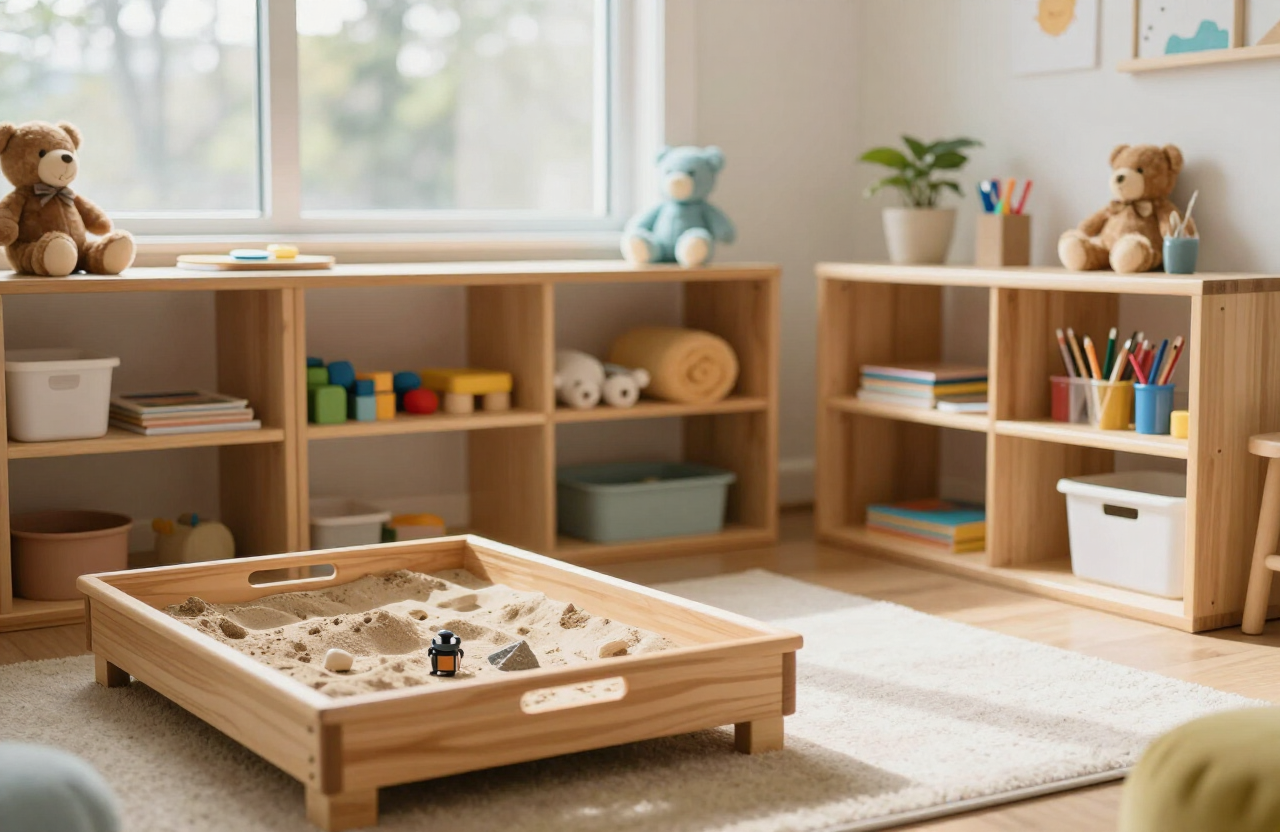
Adults tend to talk through their problems. Children play them out. In play therapy, toys become words and play becomes the language a child uses to show us what they cannot yet say. For many children across Coquitlam, Port Moody, and Port Coquitlam, this is the safest and most natural way to begin healing.
Why play works
A child's brain is still developing the parts responsible for abstract thinking and verbal reasoning. Asking a young child to "talk about their feelings" often falls flat, not because they are unwilling, but because the words simply are not there yet. Through sand tray work, art, miniatures, and imaginative play, children can safely explore confusing or painful experiences at a comfortable distance.
You might notice your child replaying the same scene with dolls after a hard drop-off, burying a figure in the sand after a loss, or building walls with blocks when home feels unpredictable. That is not random. Play lets a child show the story of what happened, try out different endings, and practice feeling powerful in a world that sometimes feels too big.
What a session can look like
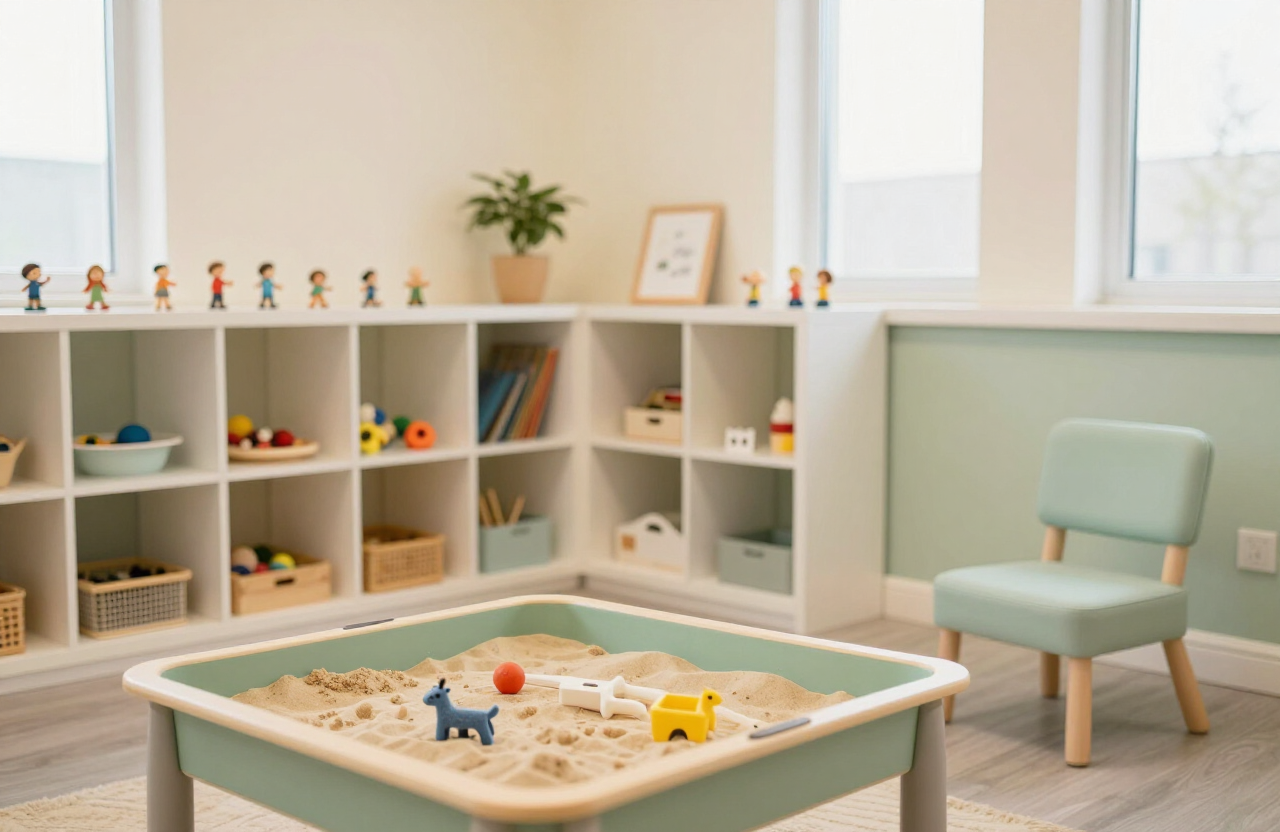
A play therapy room is set up with intention: toys that invite expression (family figures, animals, art materials, a sand tray), not a pile of entertainment. The therapist follows the child's lead more than directing a lesson. Some sessions are quiet and focused. Others are energetic. Both can be meaningful.
Parents often ask, "Will they just play the whole time?" Yes, and that play is the work. The therapist tracks themes, emotional tone, and relationship patterns, then gently supports safety, naming feelings, and new ways of coping when the child is ready. Progress rarely looks like a tidy conversation in the car on the way home. It more often shows up as fewer meltdowns after school, easier goodbyes, or a child who can say "I'm mad" instead of hitting.
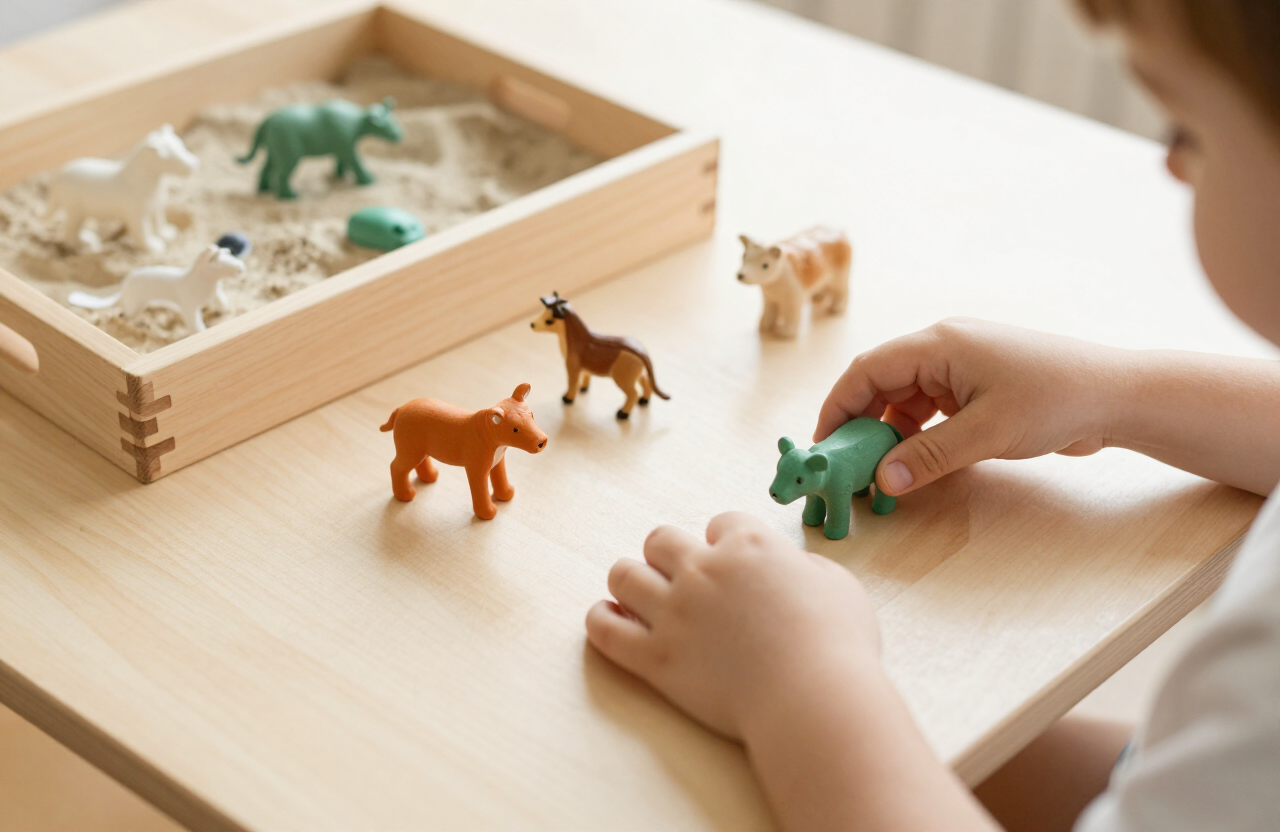
Some sessions are loud and full of movement. A child might crash toy cars, fill and empty the sand tray, or act out a story that grows more dramatic each week. Other sessions are quiet and careful, with a child choosing one small object and holding it for a long time. Neither kind is better. What matters is that the child is using the materials in a way that helps them process something, and that Sheila is present to that process without rushing it toward a tidier outcome.
Some children also use the same material for many sessions in a row before moving on. This repetition is not stuckness. It is often a child working at the edge of what they can manage, taking the same safe route until the feeling becomes easier to hold. When they finally move to something new, it usually means something has shifted inside.
What Sheila notices while a child plays
While a child plays, Sheila is doing quiet, attentive work. She tracks the themes that return session after session, the emotional tone of the play, and the way the child invites her in or keeps her at a distance. A child who repeatedly builds something tall and then knocks it over may be working with feelings about power and loss of control. A child who always arranges the animals in a careful line may be seeking order in a world that feels unpredictable.
She also notices the small shifts: the moment a child lets her join the story, the first time a scary figure becomes a helper, or the day a child who usually avoids the sand tray finally touches it. These are not trivial details. They are signs of a nervous system slowly trusting enough to let harder material surface, and they guide what Sheila offers next.
What play therapy can help with
- Anxiety, worries, and big emotions
- Emotional regulation and meltdowns
- Life transitions like moving, divorce, or a new sibling
- Grief, loss, and trauma
- Building confidence and self-esteem
- Friendship struggles and school stress
At Sunny Spot, play therapy is relationship-first and trauma-informed. Before any strategy is introduced, we build safety and trust. Only when a child feels genuinely accepted can we gently introduce coping and emotional regulation skills. Caregiver check-ins are part of the process so home and therapy stay connected without putting a child on the spot to "report" their session.
How progress may first appear
Progress in play therapy often shows up at home before it shows up in the room. You might notice your child recovering from an upset a little faster, using a word for a feeling instead of throwing it, or trying something new without the usual resistance. Sometimes the first sign is simply that your child looks forward to coming back.
It is also normal for things to look slightly bumpier before they smooth out. As a child begins to let feelings move in a safe place, those feelings can spill into the week as well. This is not a step backward. It is often a sign that the work is reaching something real, and it tends to settle as the child builds more capacity to carry what they are processing.
How caregivers are part of the work
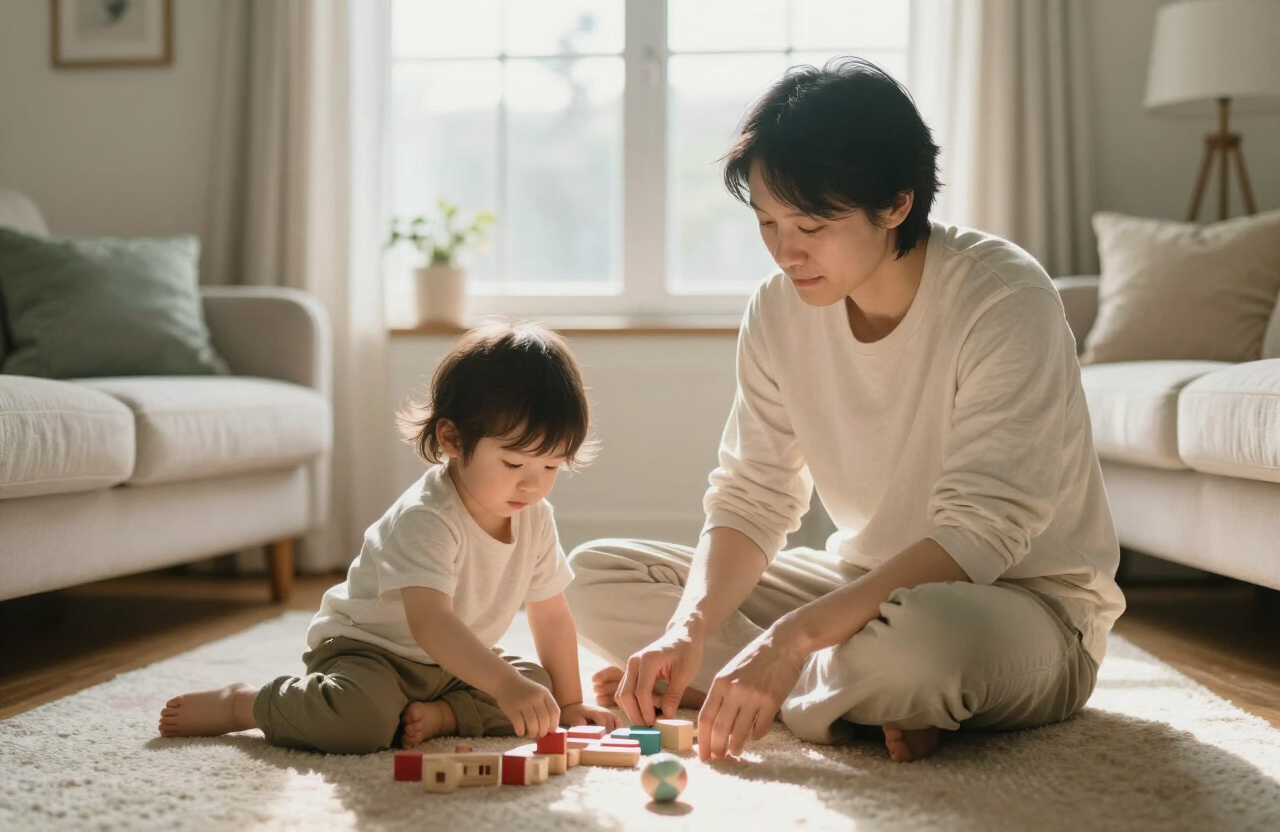
Parents are not on the sidelines in play therapy. Regular caregiver check-ins help you understand the themes showing up in your child's play and how to respond to them at home. You might learn that the repeated game of hide and seek is about separation, or that the tower that keeps getting knocked down is a safe way to practice big feelings. These conversations give you language for what your child is working through without asking them to explain it.
It also helps to let go of the urge to ask 'What did you do today?' on the drive home. Many children need quiet after a session, the way an adult might after a hard conversation. A simple 'I'm glad you went' is often enough. When your child does share, following their lead rather than probing keeps the trust building. If you are wondering how to talk with your child about starting, our guide on introducing counselling to your child walks through that conversation step by step, and you can see what to expect in a child's first counselling session.
Why sessions do not need to look like adult talk therapy
Adults usually measure a good therapy session by what was said and understood. With children, that measure does not apply. A session where a child mostly built a tower, told a story about a dragon, and laughed with the counsellor can be every bit as productive as a deep conversation. Play, movement, silence, and silliness are all part of how children integrate experience. When we let go of the expectation that therapy should look like two people talking seriously, we make room for children to do the work in the language that actually fits them.
Questions to ask when considering play therapy
If you are weighing whether play therapy fits your child, a few honest questions can help you think it through. You might ask yourself, or bring to a consultation with Sheila:
- Does my child show their feelings through play, art, or movement more easily than through words?
- Are there worries, changes, or experiences they seem to be carrying but cannot yet talk about?
- How does my child usually warm up to a new adult, and am I comfortable giving that process time?
- What would I hope might shift for my child, and am I open to progress showing up in quiet, unexpected ways?
- How will I stay involved as a caregiver while respecting my child's private space in the room?
There are no right answers. These questions are simply a way to notice what matters to your family before you begin, so the conversation with Sheila can start from what you already understand about your child. General education like this is not a substitute for individualized counselling, but it can help you arrive at a first conversation feeling more grounded.
Getting started
If you are wondering whether play therapy is right for your child, a free 15-minute consultation is a gentle first step. You can also read more about our approach on the Play Therapy and Child Counselling pages.
For a sense of what change can look like over time, what progress in child counselling can look like offers a grounded, realistic picture.
For things to try at home, explore our free guide for understanding big feelings.
If a younger child might benefit from expressing big feelings through play, in-person play therapy at Sunny Spot's Port Coquitlam office welcomes families from Coquitlam, Port Moody and across the Tri-Cities.
Related services & support

Written by
Sheila Aini, MC, RCCRegistered Clinical Counsellor · Sunny Spot Child, Youth & Family Counselling
Sheila supports children, teens, parents and families through relationship-first, trauma-informed and neurodivergent-affirming counselling at Sunny Spot's Port Coquitlam office, welcoming families from Coquitlam, Port Moody and across the Tri-Cities.
Have Questions About Your Child?
Book a free 15-minute consultation to see if Sunny Spot is the right fit for your family.
Book a Free 15-Minute Consultation