
Why Children Connect Differently
Published July 18, 2026 • Updated August 25, 2026
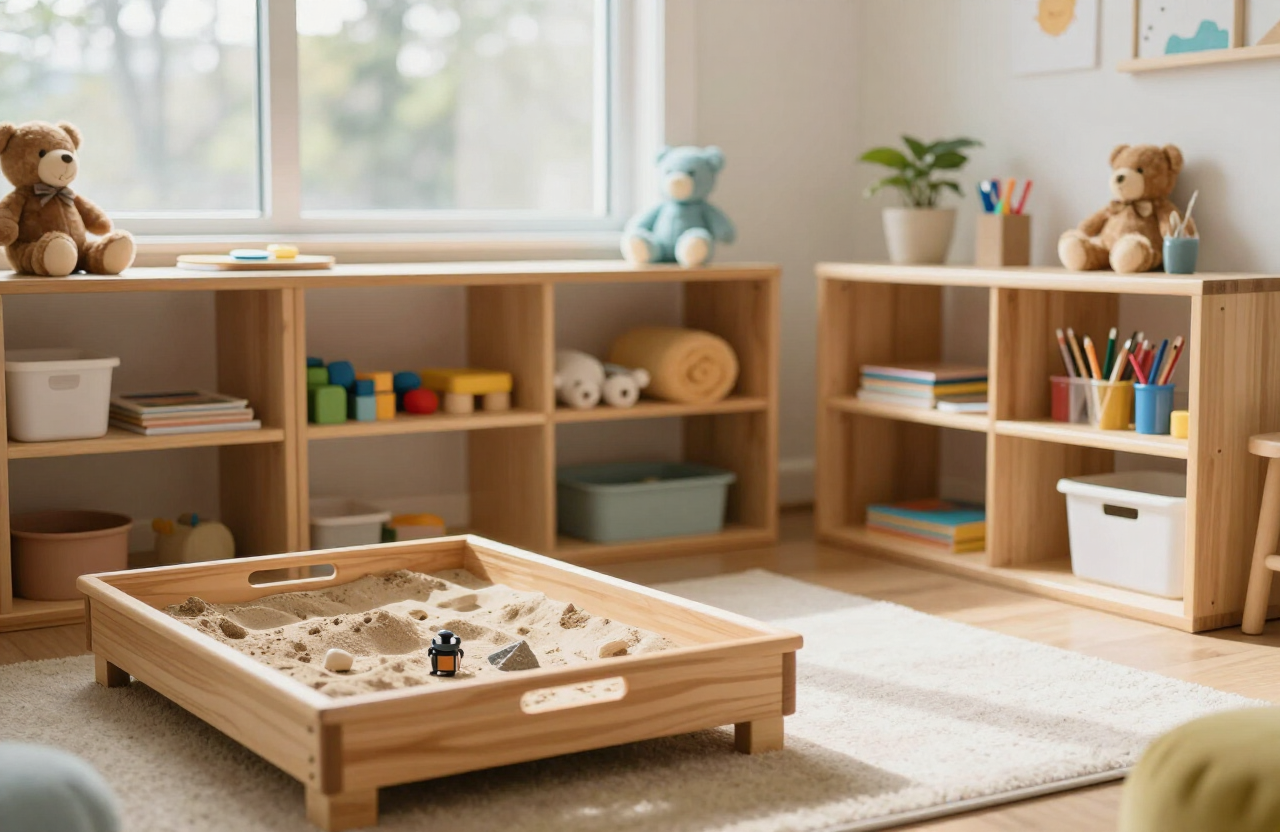
When a child comes to counselling for the first time, they are often nervous.
They may not know what this room is, what the person in it wants, or what is expected of them. Some children arrive curious. Some arrive quiet. Some arrive having been told they are going to talk to someone to help with their feelings, and they are not at all sure what that means.
Very few children arrive ready to sit down, explain what has been happening, and articulate what they need.
That is completely okay. It is expected. And it does not slow anything down.
Children do not connect the way adults do
Adults come to therapy and, for the most part, talk. They describe situations, reflect on patterns, and work through experiences with language. Children communicate differently. They show things through play, through movement, through creativity, through what they choose to build, draw, avoid, or return to again and again.
At Sunny Spot, early sessions are not designed to extract information. They are designed to build something much more important: a sense of safety.
The many ways children connect
Connection with a child rarely looks like a conversation. Some children connect through movement, racing a toy car back and forth until the room feels familiar. Some connect through humour, testing whether this adult can handle silliness and laughter. Some connect through silence, sitting nearby and simply getting used to another presence in the room.
Others connect through collecting and sorting, through creating something with their hands, through a shared interest in dinosaurs or a favourite game, or through the quiet ritual of choosing the same materials each week. None of these are avoidance. They are each a child's way of saying, I am here, and I am figuring out whether this is safe. For children with autism especially, connection may flow through special interests, repetition, and sensory preferences, and honouring those pathways matters. You can read more about that affirming approach on our autism support page.
Processing time is another pathway, and it is easy to misread. A child who goes quiet after a question, or who needs a long pause before responding, is not ignoring you. They are often translating, gathering their thoughts, or waiting until the moment feels safe enough to speak. Giving that pause room, without filling it or repeating the question, tells a child that their pace is respected. For many children, including children with autism, that unhurried space is where connection quietly takes root.
Trust comes before disclosure
A child who feels genuinely safe will eventually show what they are carrying, in their own way and at their own pace. A child who does not yet feel safe may close off, comply superficially, or simply wait.
Sunny Spot does not expect immediate disclosure. There is no timeline for a child to open up. The goal of early sessions is simply to be a consistent, warm, accepting presence. To be curious without pressure. To let the child discover, through repeated experience, that this is a place where they are welcome exactly as they are.
Play, creativity, curiosity, and laughter
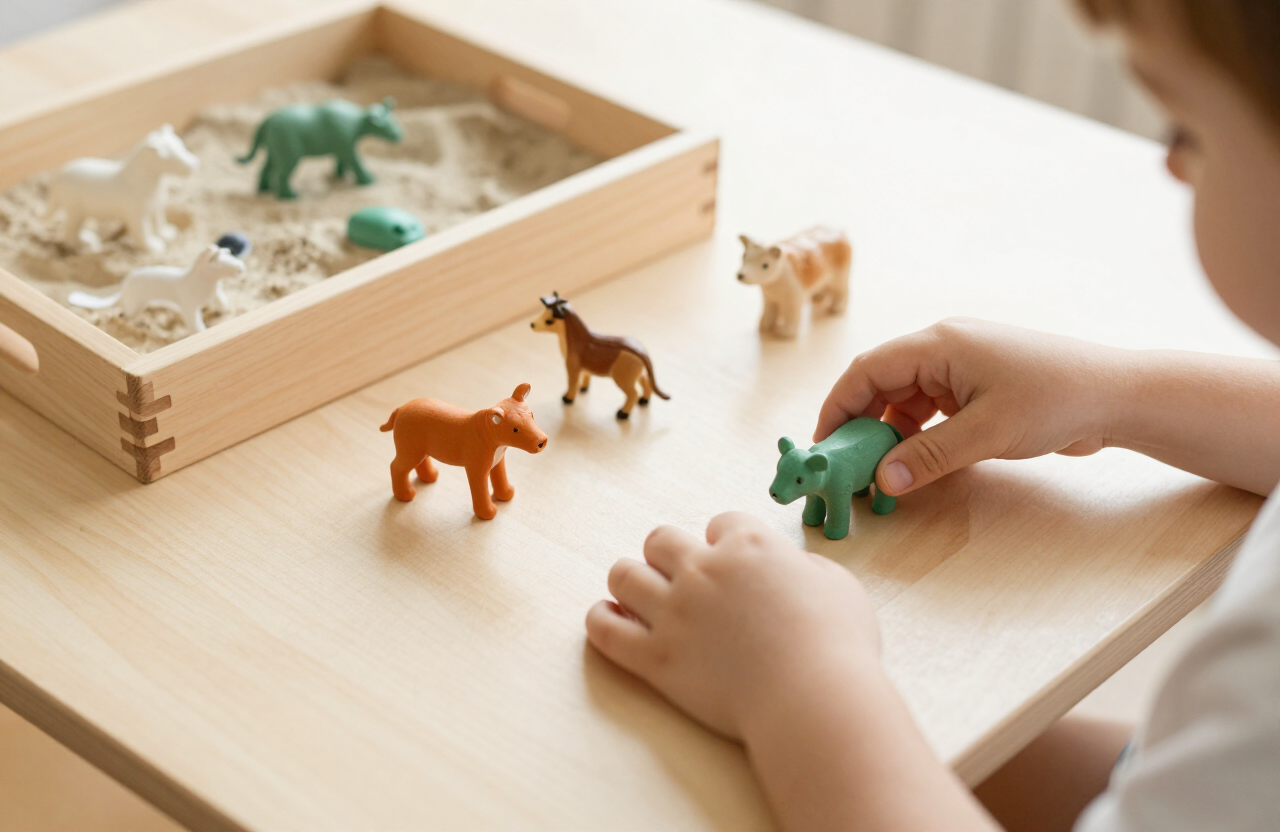
Building trust with a child often looks like play. It looks like finding out what they love, what makes them laugh, what they are proud of, and what questions they have. It may look like building something together, exploring the art supplies, discussing a favourite game, or simply spending time side by side without an agenda.
This is not a warm up before the real work begins. This is the work. Connection is the foundation on which everything else is built. A child who feels seen, understood, and accepted is a child who can begin to explore harder things safely.
Pacing, felt safety, and autonomy
Connection cannot be rushed because it depends on felt safety, and felt safety is something the nervous system decides, not something the mind can command. A child may hear that they are safe and still not feel safe. That is why pacing matters so much. When a child is given time, choice, and control over how they engage, their nervous system has a chance to settle on its own terms.
Autonomy is part of this too. A child who can choose whether to play or watch, whether to talk or stay quiet, whether to sit near or far, is a child who learns that this relationship will not override them. That experience of being in charge of their own participation is often what finally lets a child lean in. Trust built this way is sturdy, because it was never forced.
Feeling seen, understood, and free to be themselves
Many children who come to counselling have already learned that some parts of themselves are less acceptable than others. Maybe their big feelings upset people. Maybe their intensity was labelled as too much. Maybe they picked up the message that they needed to be easier, quieter, or more like someone else.
One of the most powerful things counselling can offer a child is the consistent experience of being fully accepted, not a polished version of themselves, but the real version. Including the parts they have learned to hide.
How adults can stay available without demanding conversation
You do not have to draw a child out to be useful to them. Often the most supportive thing an adult can do is stay nearby and interested without requiring words. Sit in the same room while they play. Offer a low-stakes comment now and then, and let it go if they do not pick it up. Share something small about your own day instead of asking about theirs. These small gestures tell a child that the door is open and that walking through it is their choice.
When a child does speak, try to receive it rather than reach for more. A single sentence about a hard moment is often a great deal of trust arriving at once. Responding with a calm thank you and staying present, rather than following up with a string of questions, keeps that trust growing. The goal is not to collect information. It is to be a steady presence a child can count on whenever they are ready.
What caregivers can expect early on
In the early sessions of counselling, you may not see dramatic change at home. Your child may report that they just played, or that nothing happened. This can be confusing if you were expecting immediate shifts.
It can help to measure the early weeks by a different yardstick. Instead of asking whether the problem has gone away, notice whether your child seems more settled in themselves, more willing to come back, or more open in small ways at home. Those quiet signals are often the first evidence that the relationship is taking root, and the relationship is what everything else will be built on.
If you are unsure whether what you are seeing is progress, you can always ask. Caregiver check-ins are part of the work, and Sheila can help you read the small signs that something is shifting even when the surface looks the same.
The relationship being built in those early sessions is what makes later growth possible. Trust takes time. It is also the most important thing.
If your child tends to answer questions with I do not know, that is often part of the same picture. Silence and uncertainty are not refusal. They are a child moving at the pace their nervous system can manage.
Three Things I Will Never Rush in Child Counselling
Some things cannot be hurried without losing them entirely. Three things I will never rush in child counselling are words, trust, and regulation.
Words
A child does not have to talk before they feel ready. Play, drawing, movement and silence are all valid ways of communicating. Words often arrive later, once safety has been established, and that is perfectly fine.
Trust
Connection is not preparation before the real work. Connection is where the work begins. A child who feels seen and accepted can begin to explore harder things, and that trust cannot be rushed.
Regulation
A more settled body comes before teaching, problem solving or change. When a child's nervous system is overwhelmed, learning and reflection are not fully available. Regulation first creates the conditions where growth becomes possible.
If you are new to Sunny Spot, you may also like to read Welcome to Sunny Spot Child, Youth and Family Counselling.
Sunny Spot Child, Youth and Family Counselling offers relationship-first, play-based support for children, youth, and families in Port Coquitlam and the Tri Cities. You can learn more about child counselling and play therapy to see what might fit your family.
Connection grows through trust, not pressure.
For things to try at home, explore our free parent resources for big feelings and play.
For relationship-first support that meets a child where they are, in-person child and teen counselling at Sunny Spot's Port Coquitlam office welcomes families from Coquitlam, Port Moody and across the Tri-Cities.
Related services & support

Written by
Sheila Aini, MC, RCCRegistered Clinical Counsellor · Sunny Spot Child, Youth & Family Counselling
Sheila supports children, teens, parents and families through relationship-first, trauma-informed and neurodivergent-affirming counselling at Sunny Spot's Port Coquitlam office, welcoming families from Coquitlam, Port Moody and across the Tri-Cities.
Have Questions About Your Child?
Book a free 15-minute consultation to see if Sunny Spot is the right fit for your family.
Book a Free 15-Minute Consultation