
Supporting Your Anxious Child: Practical Strategies for Parents
Published May 8, 2026 • Updated August 30, 2026

Anxiety is one of the most common reasons families reach out to Sunny Spot. Worry, tummy aches on school mornings, difficulty separating, and big reactions to small changes are all ways anxiety can show up in children. The good news: anxiety is highly responsive to the right support.
How anxiety often shows up at home
Not every anxious child looks worried. Some cling at the door. Some get angry when plans change. Some ask the same question ten times. Some complain of stomach aches with no clear medical cause. Some freeze and go quiet. Anxiety is a body alarm as much as a thought pattern, so the first job is safety, not a lecture about why they should not be scared.
Name it to tame it
Helping a child put words to what they feel, "it sounds like the Worry Monster is visiting", externalizes the anxiety and makes it feel more manageable. This narrative approach helps children team up against the problem instead of feeling like they are the problem.
Co-regulate before you educate
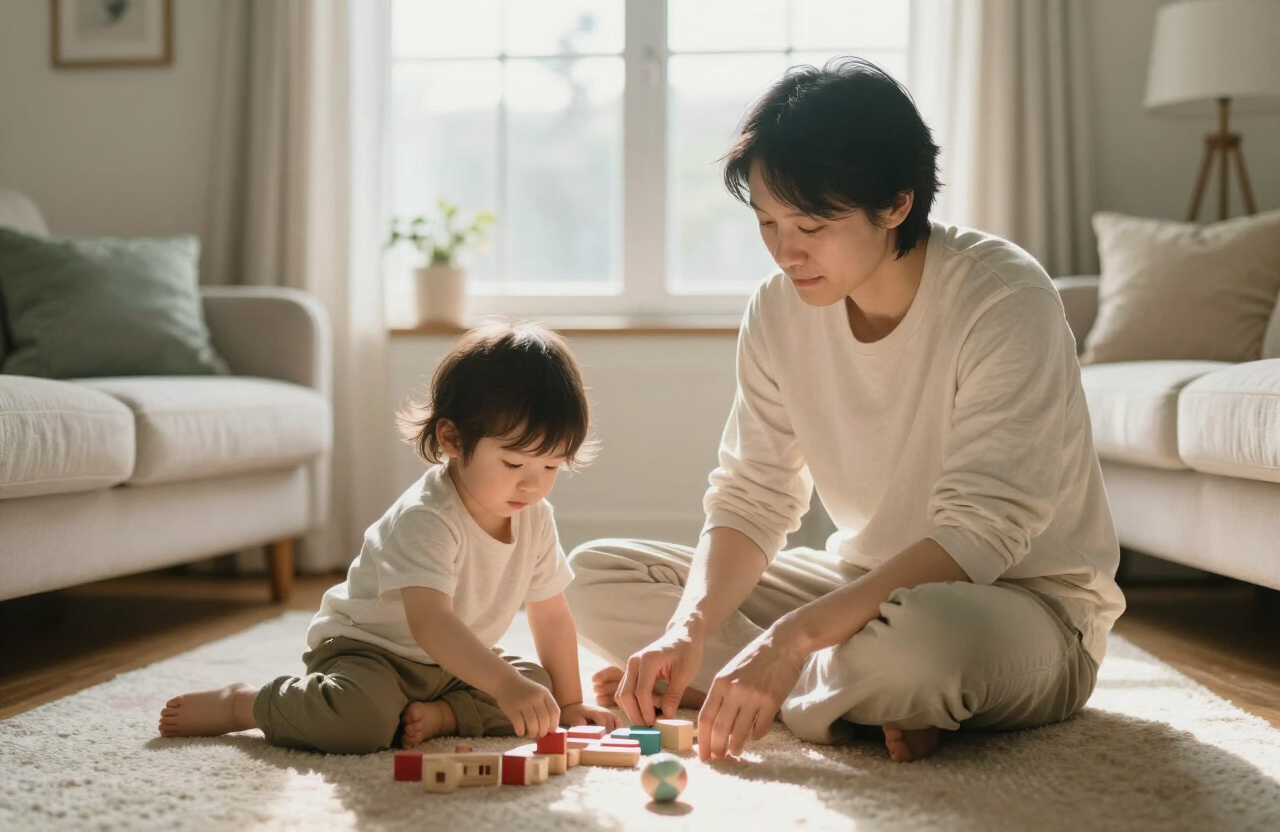
An anxious child cannot learn a coping skill in the middle of a spike. Your calm presence is the intervention. Slow your breathing, lower your voice, and offer safety first. Skills and problem-solving come once the nervous system has settled.
A simple sequence many parents find usable: (1) get near and lower your own intensity, (2) name what you see without judgment ("Your body is really worked up about school"), (3) offer one concrete anchor (a hand on a shoulder if welcome, a sip of water, feet on the floor), and (4) only then talk about the next small step. Skipping straight to "You'll be fine" or long explanations often makes the alarm louder.
- Validate the feeling before fixing the problem
- Keep predictable routines to reduce uncertainty
- Practice calming skills when everyone is calm
- Avoid over-reassurance, which can accidentally feed worry
- Celebrate brave, small steps
- Expect setbacks after illness, holidays, or big changes
When home strategies are not enough
When anxiety starts interfering with school, friendships, sleep, or family life for weeks at a time, professional support can help. Counselling is not a last resort reserved for crisis. It is a place to understand what the worry is protecting, build skills at a pace that fits your child, and support you as the parent who is already trying hard.
Learn more on our Anxiety Counselling, School Anxiety, and Separation Anxiety pages, or book a free consultation.
If your child asks the same worry question again and again, When Worry Asks the Same Question Again offers a gentle four step response.
What anxiety can look like in daily family life
Anxiety is not always announced as worry. A child may ask the same question repeatedly, need a parent close by, complain of a stomach ache before school, become irritable when plans change, avoid birthday parties, delay bedtime or seek certainty about small details. These behaviours can have many explanations, so the goal is not to diagnose from a list. Look for changes from your child's usual pattern, how long the concern has lasted and how much it interferes with sleep, learning, friendships or family life.
Notice the body before debating the thought
Anxiety often begins as a body alarm: a tight chest, buzzing legs, nausea, a hot face, a racing heart or an urgent need to escape. When the alarm is high, logical reassurance may not stick. Start with the body. Lower your voice, slow the pace and help your child notice one concrete cue. You might say: Your hands are squeezing tightly. I wonder if your body is telling us this feels uncertain.
Avoid insisting that nothing is wrong. The feared event may be unlikely, but the child's sensation is real. Validation can sound like: Your alarm is loud right now. I am here, and we can take the next small step together. This acknowledges the experience without agreeing that danger is certain.
When reassurance becomes a loop
Answering a worried question can bring quick relief, but anxiety may return with a slightly different version: Are you sure? What if? Promise? If adults keep supplying new certainty, the child can accidentally learn that they cannot tolerate the question without another answer. Offer one clear response, validate the discomfort and return to a familiar coping plan instead of creating a longer debate.
Build manageable brave steps
Bravery does not require throwing a child into the hardest version of a fear. Choose a step that is uncomfortable but possible, and make the plan collaborative. A child worried about separating at an activity might first visit the building, then stay for ten minutes with a caregiver nearby, then practise a brief goodbye. Celebrate effort and recovery rather than demanding that the child look calm.
Move slowly enough that the child can learn, but not so slowly that avoidance makes every decision. If a step repeatedly ends in panic or shutdown, make it smaller. If it becomes easy, build gently. The aim is flexible confidence, not perfect performance.
Support routines without making life rigid
Predictability can lower uncertainty. A visual morning sequence, a short preview of a new place or a consistent goodbye can help. At the same time, routines should contain small, tolerable variations so the child does not come to believe that safety depends on every detail staying the same. Tell them what is known, name what is not known and focus on what the family can do if plans change.
What caregivers can say
- This feels hard, and we can take it one step at a time.
- I will answer that once, then we will use our worry plan.
- You do not have to like this feeling to move with it.
- Would you like help, company or a little space?
- What is the smallest brave step that feels possible today?
When extra support may help
Consider reaching out when worry is persistent, growing, causing significant avoidance or disrupting sleep, school, eating, friendships or family routines. Parent consultation may be a useful first step when a child is hesitant. Immediate safety concerns require urgent local or emergency support rather than waiting for a routine counselling appointment.
Keep the parent child relationship bigger than the worry
Anxiety can take over family conversation until every interaction becomes checking, coaching or preparing. Protect moments that have nothing to do with coping. Share a snack, play a familiar game, watch something funny or notice an ordinary success without turning it into a lesson. Your child needs to know that they are not a problem to manage. Connection outside anxious moments gives both of you more steadiness when worry does arrive.
Avoidance brings relief, and relief can grow avoidance
When something feels frightening, stepping away from it usually brings quick relief. A child who avoids the school field trip, the birthday party or the sleepover may feel calmer within minutes. The difficulty is that relief teaches the nervous system that the avoided situation was genuinely dangerous. Next time, avoidance may arrive sooner and spread a little further.
This is not a failure of courage or parenting. It is how anxiety protects itself. The gentle way through is not to drag a child into the hardest version of the fear. It is to help them approach a smaller, possible version while staying connected to a trusted adult. A child who cannot attend the party might first help drop off a gift at the door, then stay for ten minutes with a caregiver nearby. Each step that ends in okay weakens the story that the situation is unsafe.
Notice when you are rescuing rather than supporting. Rescuing removes the challenge entirely so the child never practises moving through it. Supporting keeps the child company while they take the next manageable step. The difference matters because confidence grows from repeated experience, not from someone else removing the hard thing.
How anxiety can touch sleep, school, separation and routines
Anxiety rarely stays in one corner of a child's life. It can show up at bedtime as difficulty settling, repeated calls for a parent or a sudden need for one more drink of water. It can appear on school mornings as tummy aches, slow dressing or a refusal to leave the car. It can surface at drop-off, at pick-up or in the quiet hour before an activity.
Each of these moments has many possible explanations, so the aim is not to label every hard morning as anxiety. The aim is to notice patterns. When the same transition is difficult across several days or weeks, it may be carrying more worry than the situation seems to warrant. A predictable sequence, one calm anchor and a clear next step can lower the load without making the whole day a coping exercise.
Separation can be especially tender. A child who loves their parent may find goodbye genuinely hard, even when they enjoy what comes after. Keep goodbyes short, warm and honest about when you will return. Prolonged goodbyes, even when well meant, can give worry more time to grow.
How anxiety can shift with age
Anxiety tends to change shape as children grow, so the supports that help a six-year-old may not fit a fourteen-year-old. Noticing the developmental form the worry takes can make your response more useful.
Younger children often show anxiety through their bodies and their need for closeness. Tummy aches before school, trouble separating, sleep difficulty, or a sudden need for rituals and sameness are common. They rarely have the words to explain the worry, so comfort, predictable routines, and a calm body nearby carry most of the weight.
School-age children begin to worry in words. They may ask the same question repeatedly, fear making mistakes, avoid tests or presentations, or resist school on particular days. Reassurance loops often appear here, and the work is to validate the feeling while gently stepping out of the cycle. Practical brave steps and a predictable worry plan tend to help more than endless explanations.
Teens may express anxiety through irritability, withdrawal, avoidance, or sleep disruption rather than saying they feel scared. Social and performance worries often move to the centre, and a teen may mask how much they are struggling. Side-by-side conversation, respect for privacy, and offering support without pressing for details tend to open more doors than direct questioning.
If you are unsure where to start, areas of support groups common concerns by theme, which can help you find the most relevant next step for your child's age and situation.
When worry becomes a safety concern
Most childhood worry can be supported at home and, when needed, with counselling. A small number of situations need faster help. If a child talks about wanting to hurt themselves, seems unable to stay safe, stops eating or sleeping in a way that worries you, or the anxiety is escalating quickly, contact emergency services or an appropriate local crisis resource right away. Do not wait for a routine counselling appointment. Sunny Spot is not a crisis service, and a free consultation is not the right place for urgent safety concerns.
For things to try at home, explore our free anxiety guide and workbook sample.
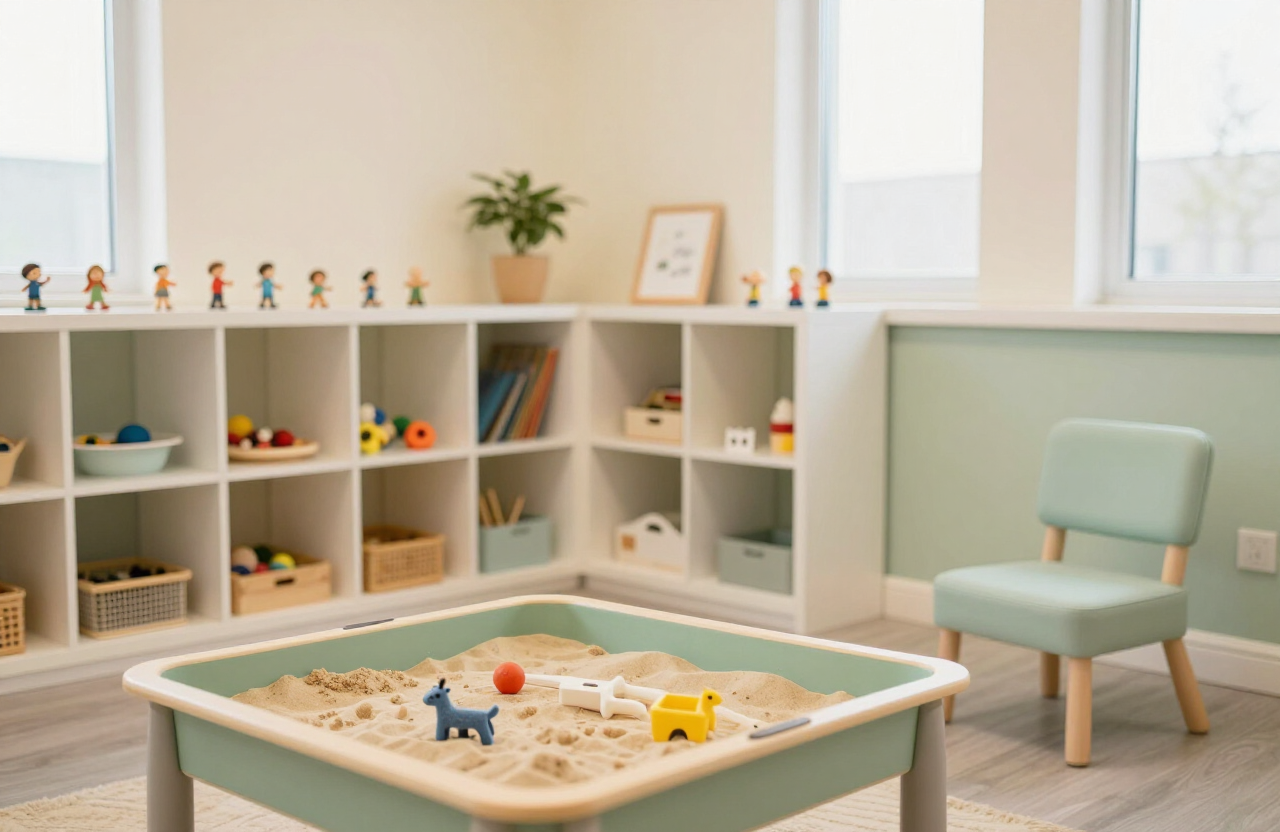
When worry needs more than home strategies alone, in-person anxiety counselling at Sunny Spot's Port Coquitlam office welcomes children, teens and families from Coquitlam, Port Moody and across the Tri-Cities.
When practical tools for worry predictions, avoidance and next steps fit a child’s age and goals, Sheila may draw from CBT-informed counselling within warm, relationship-first support.
Related services & support
Local counselling information for Coquitlam families
Sunny Spot's office is in Port Coquitlam, welcoming families from across the Tri-Cities.

Written by
Sheila Aini, MC, RCCRegistered Clinical Counsellor · Sunny Spot Child, Youth & Family Counselling
Sheila supports children, teens, parents and families through relationship-first, trauma-informed and neurodivergent-affirming counselling at Sunny Spot's Port Coquitlam office, welcoming families from Coquitlam, Port Moody and across the Tri-Cities.
Have Questions About Your Child?
Book a free 15-minute consultation to see if Sunny Spot is the right fit for your family.
Book a Free 15-Minute Consultation